Walking for Longevity
The most underrated tool for a longer, healthier life.
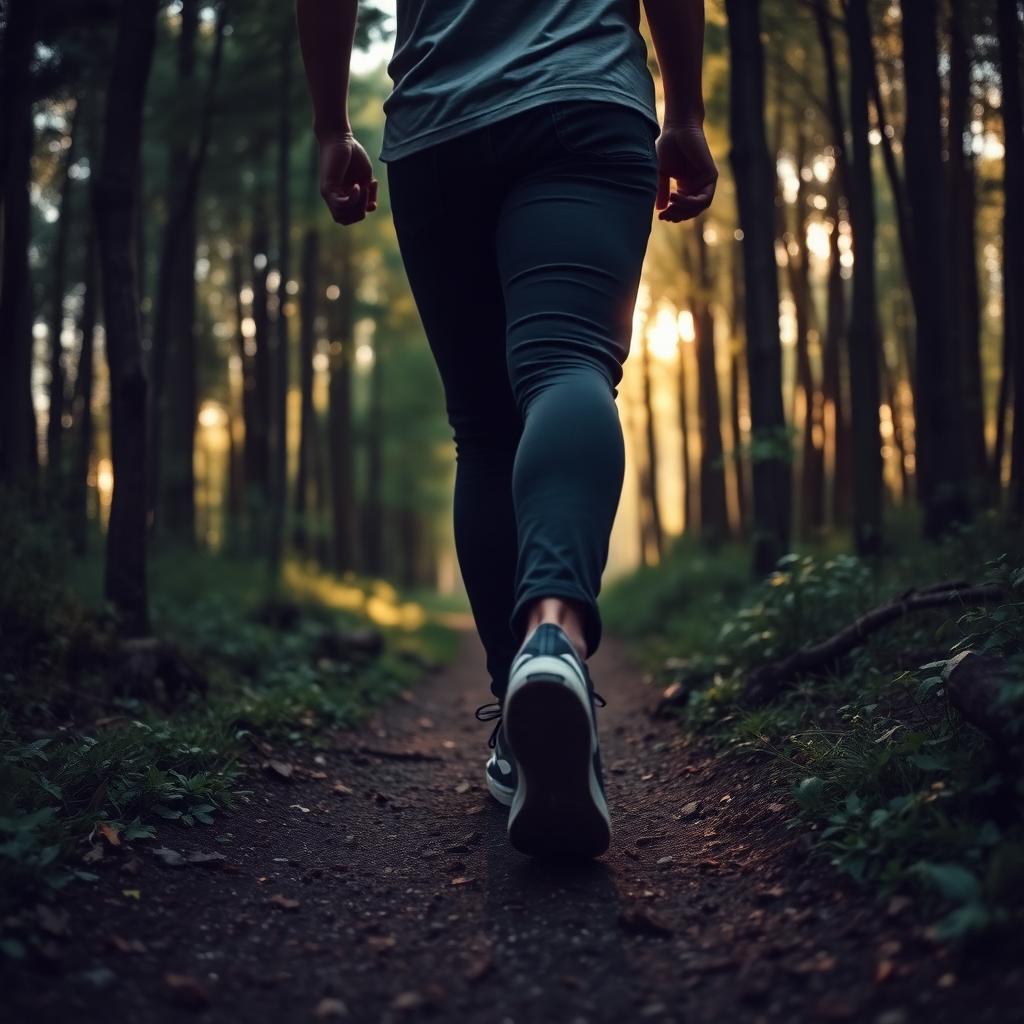
If a pharmaceutical company could patent walking, it would be the most heavily marketed drug in history. It lowers blood pressure, improves insulin sensitivity, reduces risk of nearly every chronic disease, protects cognition, elevates mood, and — done consistently — adds years to your life. It is free, requires no equipment, and works at any fitness level.
The problem is that walking suffers from a marketing problem. It seems too simple to matter. It doesn't feel like exercise. And the fitness industry has spent decades convincing us that if you're not sweating, gasping, or lifting something heavy, you're wasting your time.
The research disagrees.
The dose that matters
The famous '10,000 steps' figure originated as a Japanese marketing slogan for a 1960s pedometer. The actual data are more forgiving. Meaningful reductions in all-cause mortality begin around 4,000 steps a day. The benefit curve continues rising to about 8,000 steps, then flattens.
For people over 60, benefits plateau even earlier, closer to 6,000 to 7,000 steps. In other words: you do not need to hit 10,000. You need to move meaningfully more than 'sedentary.'
Walking after meals is a superpower
A ten-to-fifteen minute walk after eating blunts the post-meal blood sugar spike more effectively than most medications. Over time, this improves insulin sensitivity, reduces cravings, and lowers cardiovascular risk. If you do only one walk a day, walk after your largest meal.
Walking protects your brain
Regular walking increases blood flow to the brain, stimulates production of a protein called BDNF (which supports memory and learning), and is associated with lower rates of dementia. Walking outdoors compounds the benefit — nature exposure independently improves cognition and mood.
Walk as thinking practice
Walking is one of the oldest known aids to thought. Nietzsche wrote that 'all truly great thoughts are conceived by walking.' Modern research on creativity supports him — subjects generate significantly more creative ideas while walking than while sitting.
A walk without a phone, without a podcast, without an agenda — just walking — is a rare kind of unstructured time in modern life. It's when problems solve themselves, decisions clarify, and grief moves. Protect this practice fiercely.
Make it non-negotiable
The habit that lasts is the one you don't have to decide. Walk at the same time each day. Attach it to something existing — after breakfast, after work, after dinner. Have a route. Have a backup route for rain. Owning the boring logistics is what turns walking from an intention into a fixture.
Walking is not glamorous, not trendy, and not going to make anyone rich. It is also the single most under-appreciated tool for a longer, healthier, happier life. Start today. Walk after dinner tonight.