How to Improve Sleep Naturally
The science-backed steps to fall asleep faster and stay asleep.
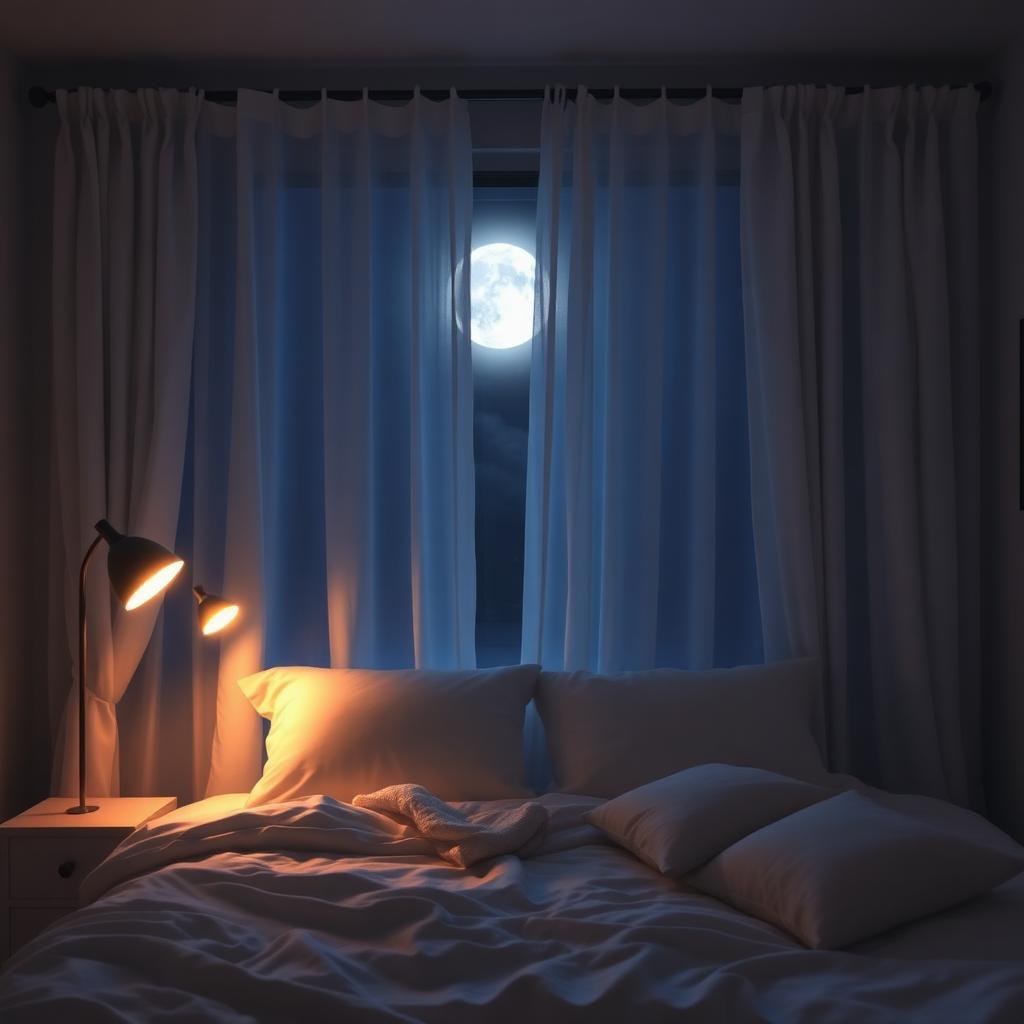
Sleep is the single most powerful lever you have for physical and mental health. It regulates hormones, consolidates memory, clears metabolic waste from the brain, and repairs nearly every system in your body. Yet most adults treat sleep as optional — the first thing sacrificed when life gets busy and the last thing addressed when they feel unwell.
The good news: dramatic improvements are possible without medication, supplements, or expensive gadgets. The following guide walks through the highest-leverage changes, ordered roughly by impact. Adopt them in sequence rather than all at once.
Anchor your wake time before your bedtime
The most important variable in sleep quality is not when you go to bed — it's when you get up. A consistent wake time, held within a thirty-minute window seven days a week, is the strongest signal you can send to your circadian rhythm.
Weekend sleep-ins feel restorative but function like jet lag. Sleeping in on Saturday shifts your internal clock forward; getting up early on Monday feels brutal because it is, biologically, the equivalent of flying across time zones twice a week. Fix your wake time first. Your bedtime will follow.
Get bright light early and dim light late
Your circadian rhythm is governed by light. Ten to fifteen minutes of outdoor light within an hour of waking sets your body's internal clock, boosts daytime energy, and — critically — signals when melatonin should rise in the evening.
In the evening, do the opposite. Dim overhead lights two hours before bed. Use warm lamps, candles, or salt lamps. If you use screens, enable night-mode settings and dim them below their default brightness. Blue-blocking glasses help if you can't avoid bright screens.
Make your bedroom cold, dark, and boring
Body temperature must drop for deep sleep to occur. A cool bedroom — 65 to 68°F is the commonly cited range — supports this drop and improves sleep depth. If you cannot control your thermostat, a cool shower before bed, breathable bedding, and a fan will help.
Darkness matters more than most people realize. Even small amounts of light penetrating closed eyelids can suppress melatonin production. Blackout curtains, an eye mask, and covering electronic LEDs are cheap, high-impact interventions.
'Boring' means the bedroom should be associated with sleep — not work, not screens, not doomscrolling. Move the TV out. Keep the phone in another room or across the room in airplane mode. Your brain learns fast: if the bed means sleep, you fall asleep faster in it.
Stop caffeine earlier than you think
Caffeine has a half-life of five to six hours, meaning half the caffeine from your 2 p.m. coffee is still circulating at 8 p.m. Even if you fall asleep, elevated caffeine reduces deep and REM sleep — so you wake up unrefreshed and reach for more coffee, deepening the cycle.
A conservative rule: no caffeine after noon. If that feels extreme, work backward from your bedtime by ten hours. You will notice the difference within a week.
Do not use alcohol as a sleep aid
Alcohol makes you fall asleep faster. It also fragments sleep in the second half of the night, suppresses REM, and causes early-morning awakenings. Even one or two drinks measurably reduce sleep quality. If you drink, finish three hours before bed and hydrate well.
Build a wind-down routine
Sleep is not a switch you flip — it's a landing. Give yourself thirty to sixty minutes of low-stimulation activity before bed: reading a physical book, stretching, journaling, taking a warm shower or bath, listening to music. The specific activity matters less than the consistency.
A warm shower or bath 90 minutes before bed is particularly effective. It pulls heat to the surface of your skin, and the subsequent drop in core temperature accelerates sleep onset.
Address the busy mind
Racing thoughts at bedtime almost always mean unfinished mental work. A simple brain-dump — write everything on your mind, plus tomorrow's top three priorities — outsources the loop to paper. Many people find this alone cuts sleep-onset time in half.
If you wake up at 3 a.m. and cannot fall back asleep, do not lie there fighting. Get up, sit in a dimly lit room, and do something dull for twenty minutes. Return to bed when you feel sleepy. Fighting insomnia in bed trains your brain to associate the bed with wakefulness.
Reconsider naps
Naps are not evil, but they steal from nighttime sleep pressure. If you struggle to fall asleep, cut naps entirely for two weeks and see what happens. If you must nap, keep it to twenty minutes before 2 p.m.
Eat earlier
Late meals raise core temperature, spike blood sugar, and interrupt the metabolic quiet your body needs for deep sleep. Finishing dinner three hours before bed is a reasonable target. If you are hungry before bed, a small protein-and-fat snack is better than carbs.
Give it four weeks
Sleep systems adapt slowly. You will not fix years of dysregulation in three nights. Pick three of the above, hold them for four weeks, and track how you feel. Most people are shocked by how different they feel — and how much of what they attributed to age or stress was really just sleep debt in disguise.
Sleep is not a luxury or a productivity hack. It is the foundation everything else — nutrition, exercise, relationships, focus — is built on. Fix it first, and everything else gets easier.