How Nutrition Affects Mood
The gut–brain axis and how what you eat shapes how you feel.
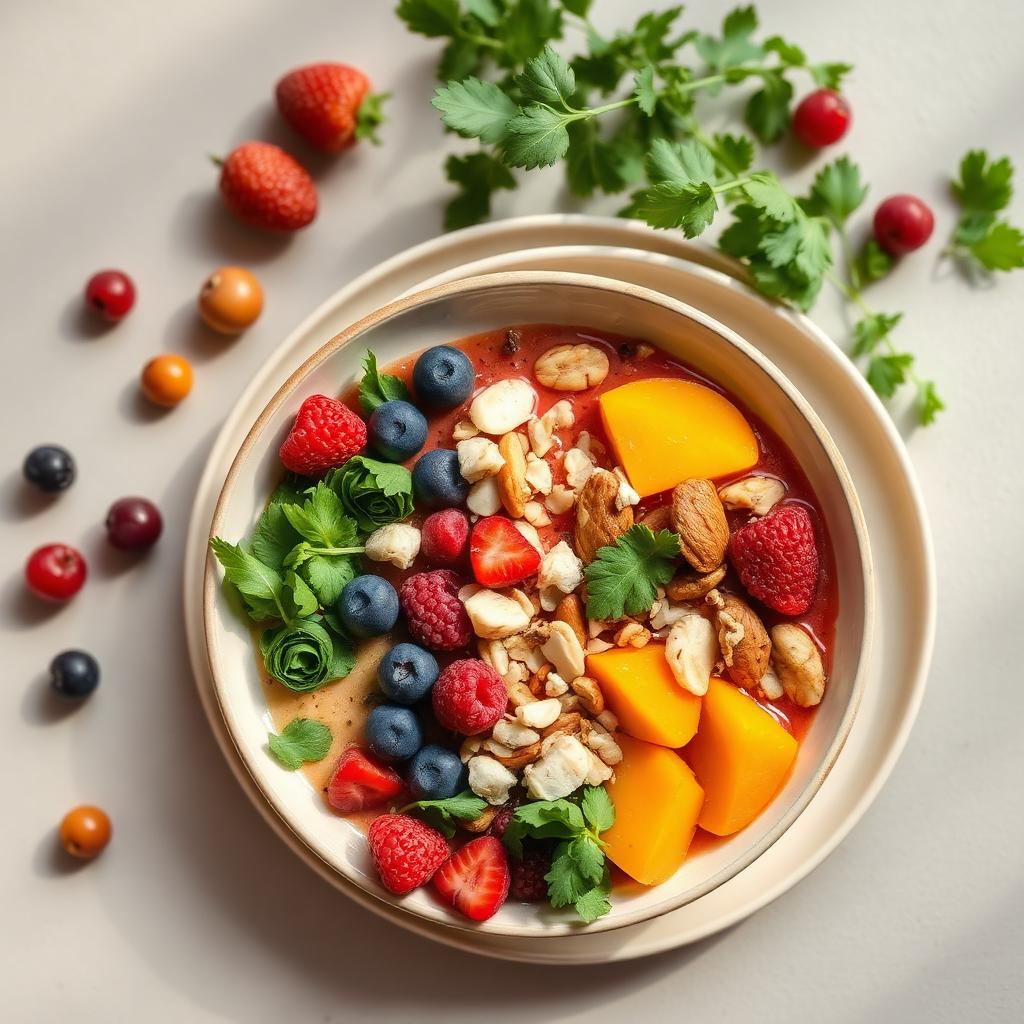
The idea that food affects mood used to sound like fringe wellness talk. It is now one of the most robust findings in modern neuroscience. What you eat directly influences the neurotransmitters that shape how you feel — through blood sugar regulation, the gut microbiome, and the nutrients required to build brain chemistry in the first place.
This does not mean nutrition is a substitute for therapy, medication, or addressing life circumstances. It means that persistent low mood, anxiety, and fatigue often have a nutritional dimension that goes ignored — and when addressed, produces surprisingly large shifts.
Blood sugar is mood
The single biggest dietary lever on mood is blood sugar stability. Every rapid blood sugar spike is followed by a crash, and the crash produces symptoms indistinguishable from anxiety: shakiness, irritability, difficulty concentrating, mood swings, and cravings.
The fix is not exotic. Build meals around protein, fiber, and healthy fats. Eat carbohydrates alongside these — not alone. A bowl of oatmeal with nuts and berries lands very differently than a bagel with jam, even if the calorie count is similar.
The gut–brain axis is real
Your gut produces roughly 90 percent of your body's serotonin, one of the primary neurotransmitters involved in mood regulation. The gut microbiome — the trillions of bacteria that live in your intestines — plays a substantial role in this production, and its composition is directly shaped by what you eat.
Diets high in ultra-processed foods, sugar, and refined oils reduce microbial diversity. Diets high in fiber, fermented foods, and plant variety increase it. This is not fringe — it is emerging from major research institutions and is influencing psychiatric care.
Omega-3s and the brain
Omega-3 fatty acids (specifically EPA and DHA) are structural components of brain cell membranes. Chronic under-consumption is associated with higher rates of depression and anxiety. Supplementation has produced meaningful improvements in multiple clinical trials.
Food sources: fatty fish (salmon, sardines, mackerel) two or three times a week. If you don't eat fish, algae-based DHA supplements are effective. Flax and chia contain ALA, which the body converts to EPA/DHA inefficiently — not a strong substitute.
Protein at breakfast
Neurotransmitters are built from amino acids, which come from protein. A protein-forward breakfast provides the raw material your brain needs to synthesize dopamine, serotonin, and norepinephrine throughout the day. Aim for 30 grams. The mood difference by 3 p.m. is often striking.
The nutrients most commonly deficient
Vitamin D: implicated in seasonal mood shifts. Get sunlight; supplement in winter if you live above the 40th parallel. Ask a doctor to test your level.
Magnesium: involved in over 300 enzymatic processes, including stress regulation. Most adults are under-consuming it. Leafy greens, nuts, seeds, and dark chocolate are good sources. Glycinate or citrate supplements are well-tolerated.
B vitamins: essential for neurotransmitter production. A varied diet usually covers this, but chronic alcohol use, restrictive diets, and certain medications deplete B12 in particular.
Iron: low iron is often mistaken for depression, especially in menstruating women. If you feel persistently fatigued, get bloodwork.
What to reduce
Ultra-processed foods (packaged snacks, most breakfast cereals, most 'convenience' items) are consistently associated with worse mood in large observational studies. This is not about moralizing food — it is about noticing that when this category dominates a diet, mood tends to suffer.
Alcohol is a depressant, both pharmacologically and in the day-after sense. Anyone struggling with low mood should experiment with a full month off alcohol and observe the difference.
Give it a real trial
Nutrition changes take weeks to show up in how you feel. Six weeks of consistent change — stable blood sugar, more plants, more protein, less alcohol — is a fair trial. Many people are shocked by what shifts. Others discover that food was not the primary issue, which is also useful information.
Food is not a cure for mental health struggles, but it is a foundation. Treating it as such — rather than as a moral or aesthetic issue — is one of the more compassionate reframes you can offer yourself.